

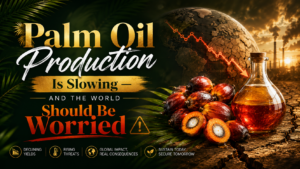
Why Turning Palm Oil Into Fuel Could Become One of the World’s Biggest Mistakes
For decades, palm oil quietly powered modern life.
It became the hidden ingredient found everywhere inside processed foods, cosmetics, shampoos, chocolate spreads, and even biodiesel powering vehicles across Europe. Thanks to its unmatched efficiency and incredibly high yield per hectare, palm oil evolved into the world’s most traded edible oil.
No other oil crop could compete.
But after years of rapid expansion, the industry is beginning to hit a dangerous wall.
Malaysia, the world’s second-largest producer, has already seen production growth slow dramatically due to land limitations and stagnant agricultural yields. Now Indonesia the global giant responsible for nearly 60% of worldwide supply — is also showing signs of serious production fatigue.
At the same time, global demand for oils and fats continues climbing by roughly 3% every year.
That growing imbalance between supply and demand could soon reshape global food systems, increase inflation, and create severe environmental consequences worldwide.
Why Palm Oil Matters More Than Most People Realise
Palm oil is not just another agricultural commodity.
It influences the pricing of nearly every major vegetable oil in the world, including soybean oil, sunflower oil, and rapeseed oil. When palm oil prices rise, the entire edible oil market usually follows.
This means higher production costs for food manufacturers, more expensive groceries for consumers, and increasing pressure on low-income households that depend heavily on affordable cooking oil.
For millions of families in developing countries, this is not simply about rising prices it’s about food security.
The Environmental Danger of Replacing Palm Oil
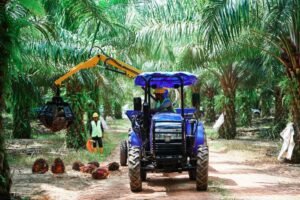
As supply tightens, the market’s natural reaction is predictable: produce more alternative oils.
That could lead to aggressive soybean expansion in Brazil, larger rapeseed plantations in Canada, and increased agricultural pressure across sensitive ecosystems worldwide.
But replacing palm oil comes with a major environmental problem.
Palm oil remains the most land-efficient oil crop on Earth. Producing the same amount of oil from soybean or rapeseed farming requires significantly larger areas of land.
In practical terms, this could accelerate deforestation, destroy biodiversity, and increase carbon emissions through the conversion of forests and grasslands into farmland.
The world risks solving one crisis by creating another.
The Real Solution Lies in Smarter Agriculture
The biggest weakness in the palm oil industry today is stagnant productivity.
For years, expansion into new land was easier than improving agricultural efficiency. That strategy no longer works.
The future now depends on science, innovation, and sustainable yield improvement.
This includes:
- Developing higher-yield palm varieties
- Improving disease resistance
- Optimising fertiliser usage
- Modernising plantation management
- Supporting smallholder farmers with better technology and training
Smallholders manage a significant portion of global palm oil plantations, yet many still produce far below their potential yield capacity.
Closing this productivity gap may become one of the most important priorities for the industry moving forward.
The Growing Debate Over Palm Oil Biofuels
One of the most controversial issues surrounding palm oil today is its use in biofuels.
As food prices continue rising and production growth slows, many experts are questioning whether burning edible oils inside vehicle engines is still ethically or economically justifiable.
The idea of diverting food resources into fuel tanks is becoming increasingly difficult to defend.
Governments worldwide may soon face mounting pressure to reconsider biofuel mandates, especially if edible oil shortages begin affecting vulnerable populations.
Critics argue that when billions of people depend on affordable food oils, prioritising vehicle fuel over human nutrition represents a deeply flawed policy direction.
The Era of Easy Expansion Is Over
The global palm oil industry is entering a completely new era.
The days of endless plantation expansion are fading. What comes next will require smarter policymaking, stronger sustainability efforts, and difficult global conversations about consumption habits.
Without meaningful changes, the world could face:
- Higher food inflation
- Greater supply volatility
- Increased environmental destruction
- Rising pressure on global food systems
The challenge is no longer theoretical.
The hard choices have already begun.
